Who these pages are for
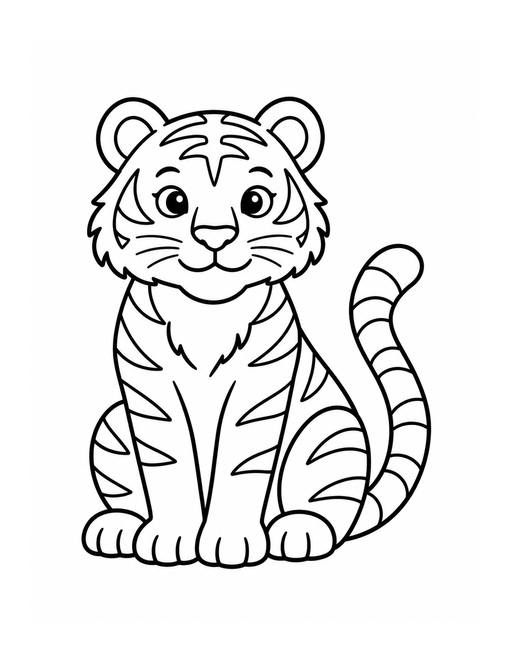
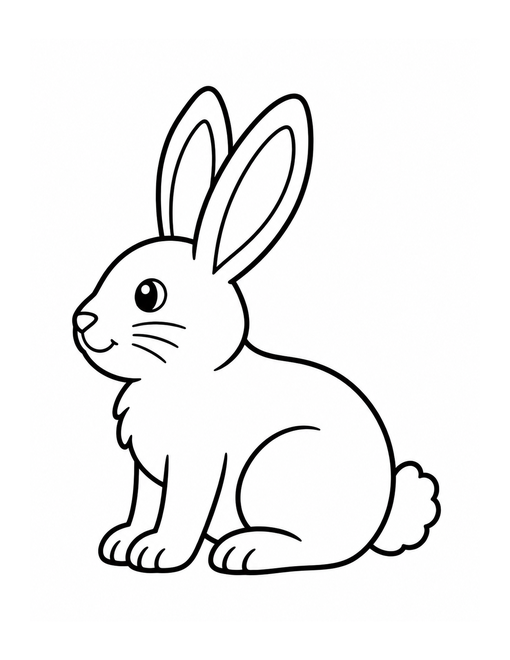
The large mane gives children around five to nine a satisfying shape to fill, with smaller sections around the muzzle and paws. Start with the sitting lion for a straightforward portrait, then explore the cub’s walking pose or the grassy resting scene. Expect twenty to thirty minutes per sheet. A younger child can finish the face first and return to the mane another day.
Choosing coloring materials
Golden crayons fill the lion’s body quickly, while colored pencils can suggest strands around the mane without darkening every space. Markers help distinguish the nose, paw details and grass, with another sheet beneath the page. Watercolor can make a soft sandy background on compatible paper. Keep the wash light near the outline, then add the mane after neighboring areas have had time to dry.
Printing at home
Choose the free US Letter PDF for a ready sized sheet, or download the 300dpi PNG. On US Letter paper, select Actual size or 100% in your print settings. For A4 paper, choose Fit to page and inspect the preview. Markers work best on cardstock that your printer supports. Place scrap paper underneath, and let printed outlines dry before you begin adding color.
A little about the animal
Lions live in social groups called prides. A pride includes related females and their young, along with adult males, rather than every lion living alone. After coloring the cub, ask your child where its family might be resting. They could draw additional lions on a separate sheet and arrange the pictures together, creating a small classroom display about animals that spend time in groups.